


Top 4 Features To Look For in A Chinese Cabinet Factory
Apr 17, 2026
Leave a message
Lower costs, advanced manufacturing technology, and faster scalability-these are the reasons many overseas buyers choose to source cabinets from China. But with thousands of factories to choose from, how do you separate the professionals from the middlemen? How do you identify the factories that deliver genuine quality from those that cut corners?
For over 20 years, as a professional cabinet manufacturer working with global clients, we have learned exactly what separates a reliable Chinese cabinet factory from a risky one. Here are the top 4 features you should look for-and ask about-before signing any contract.

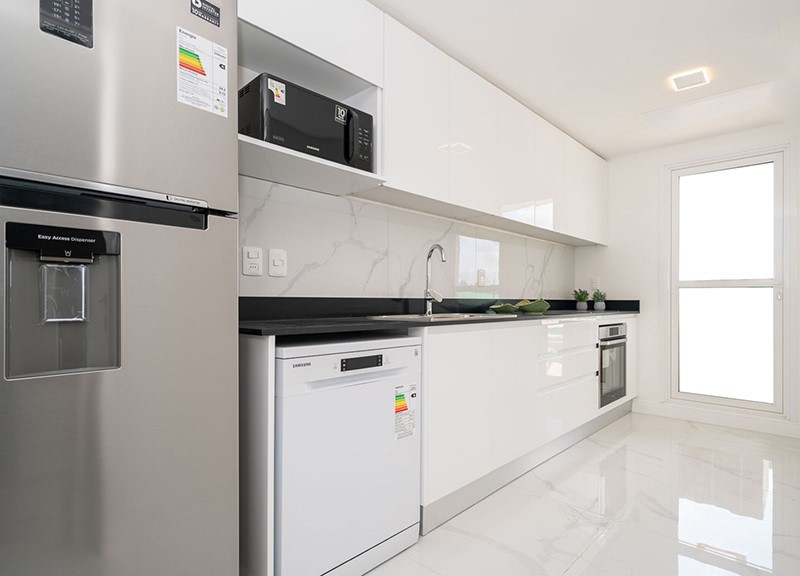


Manufacturing Capability
Your first decision is whether to work with a manufacturer or a trading company. Trading companies can be a good choice if you are not ready to manage factory relationships directly and prefer one-stop sourcing across multiple product categories. However, if your order volumes are large, you require custom production, and you have solid trading experience, going directly to a manufacturer reduces communication errors and lowers costs.
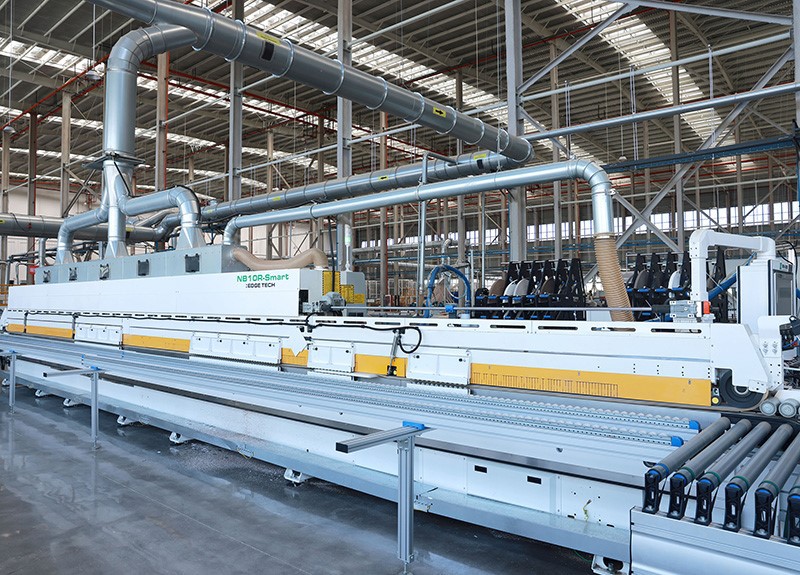
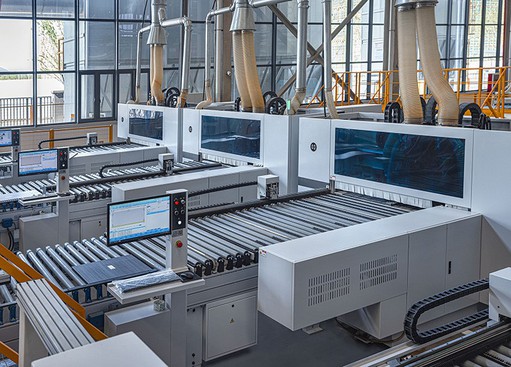
Once you decide to work with a cabinet factory, start by inspecting its production equipment. The most advanced factories today feature intelligent production and packaging systems, which deliver higher efficiency and lower error rates-giving you confidence in your project delivery. Look for flexible CNC cutting and edge banding technologies that strictly control production precision and improve efficiency.
During your discussions, be sure to ask:
- What is your daily or monthly production capacity?
- Can you scale up with overtime or additional shifts during peak seasons or large projects?
- Given a typical order quantity, what is your lead time?
Supply chain management is equally important. Which suppliers does the factory work with? Can they meet your requirements? What are their suppliers' lead times?
For high-value, highly customized, and service-heavy products like cabinets, a direct factory is the safer choice.
Quality Control
The Chinese cabinet industry generally follows internationally recognized standards. ISO 9001 (Quality Management System, ensuring standardized production processes) is the basic threshold. Beyond that, look for market-specific certifications such as KCMA (for the US market), CE (for the EU), and CARB (for panel formaldehyde emissions).
Before partnering, request:
- Brand authorization letters for the panel they use
- Recent third-party test reports
Ask about test certificates for raw materials including panel, edge banding, and glue. Pay attention to:
- For panel: Density, moisture content, modulus of rupture (static bending strength), screw-holding power, abrasion resistance
- For edge banding: Thickness, color difference, scratch resistance, and edge banding technology
- For glue: Formaldehyde content, VOC emissions, and weather resistance
Production process control is the most complex and dynamic part of any quality system. When visiting a factory, observe whether the workflow of each core process is logical and whether production operations are standardized. Ask whether the factory assembles 1–2 sets per batch as a trial and whether they keep assembly records or photos.
Final inspection is the last line of defense in quality control. Even with strict incoming material inspection and in-process controls, if final inspection is missing, defective products can still reach the customer. Before shipment, request a factory inspection or arrange to inspect the goods yourself.


Technical Craftsmanship
Technical craftsmanship is a key indicator of a cabinet factory's core competitiveness. Focus on three dimensions:
Edge Banding: High-quality factories use PUR (polyurethane) glue instead of ordinary EVA hot-melt adhesive. PUR glue is water-resistant, heat-resistant, and delivers higher edge banding peel strength-especially important in humid environments like kitchens and bathrooms. Run your hand along the edges. They should feel smooth, with no visible glue lines or color difference to the naked eye.
Drilling Precision: High-precision factories use CNC drilling centers and strictly control drilling tolerances within ±0.5mm. Hole walls should be smooth and free of burrs, ensuring that connectors, hinges, and slides insert accurately and lock securely.
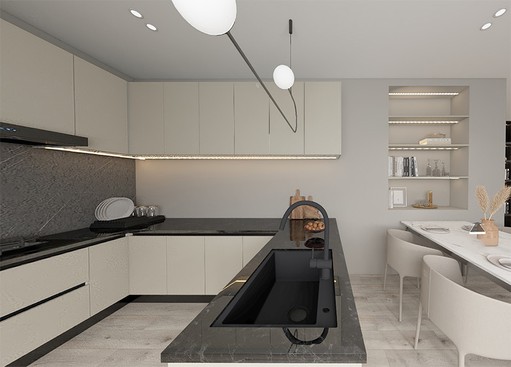
Surface Finish: The surface finish of your cabinets faces daily friction, scratches, heat, and stains. Reliable factories use wear-resistant, scratch-resistant, and heat-resistant finishes (such as high-quality melamine, HPL, or PET) and may offer anti-fingerprint technology-especially valuable for dark, high-gloss doors that would otherwise require frequent wiping. Request third-party abrasion and stain resistance test reports for the finishes.
Value and Cost
Value and cost are critical when selecting a Chinese cabinet factory. Consider price transparency, value for money, and long-term partnership potential.
A reliable factory provides clear, detailed quotations that itemize materials (panels, finishes), hardware (brand, model), packaging (standard or reinforced), and freight (sea, air, or land)-rather than a vague "all-in" price. Transparent pricing makes it easier to compare suppliers and avoids hidden add-ons later. At the same price point, a good factory offers higher specifications or better service.
Look for a partner that demonstrates:
- Stable quality control capability
- Consistent production capacity and ongoing development support
- Flexibility in stocking or preparing materials
- Proactive problem-solving when issues arise
Such a partner reduces your supplier management costs and delivery risks.
Sourcing cabinets from China offers tremendous advantages-cost savings, advanced manufacturing, and scalability. But those benefits only materialize when you choose the right partner.
At REBON, we have spent over two decades refining our processes, investing in 4.0 smart factory technology, and building a quality system that our global clients trust. We invite you to visit our factory.