


A Complete Guide to Choosing Plywood
Jul 05, 2019
Leave a message
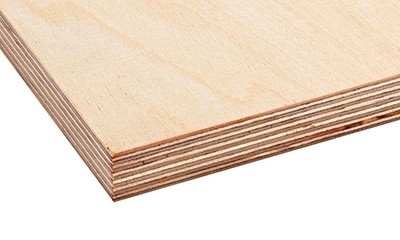 Plywood is a staple material for professional builders, architects, designers and DIYers alike. These versatile panels are used for a number of different projects, from wall sheathing, roofing, and sub-flooring, to cabinetry and furniture.
Gaining better knowledge of plywood and the types of plywood available will not only make shopping easier, but it will also ensure that your finished project will have stability, structure and beauty.
Softwood and Hardwood Plywood
There are two main types of plywood: softwood plywood and hardwood plywood.
They are both are made of multiple plies (layers) of thin wood veneer that have are glued under pressure within a chamber set to a high temperature to ensure maximum adhesion and strength.
Softwood plywood comes in different wood species, but fir and pine are most common. Softwood plywood is ideal for projects where cost must be kept down or where the look of the plywood is not a priority, such as with wall sheathing or subflooring. Hardwood plywood is more expensive but is considered more visually appealing.
Hardwood plywood can differ from softwood in how the panels are constructed. Hardwood panels may have multi-ply layered construction, like softwood plywood, but often, you’ll find that they’re instead constructed with one-piece composite wood cores.
The plywood face and back then feature a thin decorative hardwood veneer which can be stained, sealed or painted, depending on the preferences of the customer.
Hardwood plywood is intended for interior, non-structural applications like for furniture, cabinetry, finished interior walls and similar projects. Typical hardwood plywood face species include oak, walnut, maple, hickory and many more.
Categories of Plywood by Use
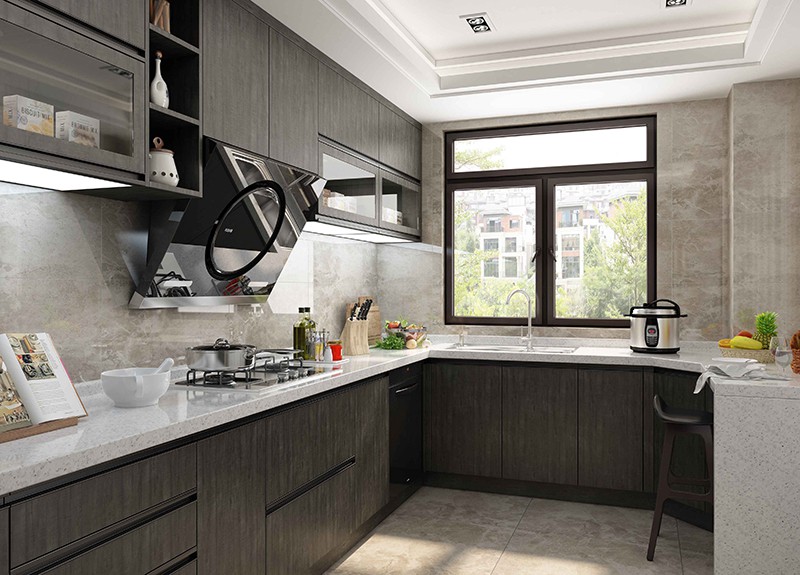
Plywood has many uses, so you can really use whichever type you deem fit based on the project you’re building. However, to make shopping for plywood easier, most suppliers or lumber stores will break down their plywood in basic categories.
Structural or exterior plywood is designed for permanent use in building structures like beams, subfloors, bracing for walls or roofs, and in any other instance where strength and stability are vital. Structural plywood is often quite thick, made of softwood species and without an attractive finish. The majority of structural plywood is moisture-resistant.
Exterior plywood is going to be fairly strong, but most importantly, it’s designed for water-resistance and weather exposure. Adhesives used in Exterior plywood withstand water and harsh sunlight for longer without degradation. However, Exterior plywood that will be directly exposed to the elements will still need a surface treatment (e.g. waterproof sealant) as it is designed to be covered with siding, flooring, roofing, etc.
Interior (decorative) plywood is usually chosen for its looks rather than its strength. You’ll find Interior plywood ideal for household projects like wall paneling, ceilings and ceiling treatments (e.g. coffered ceilings) cabinets and furniture. Interior plywood should not be used for structures nor should it be used outdoors.
If you’re looking for exceptionally beautiful look, consider skipping softwoods and selecting an interior, hardwood product instead. Hardwood plywood is a budget-friendly way of getting a stunning real wood finish without the price tag of solid wood.