

Water-Based Vs. Lacquer: Which Finish Is Right For You
Nov 11, 2026
Leave a message
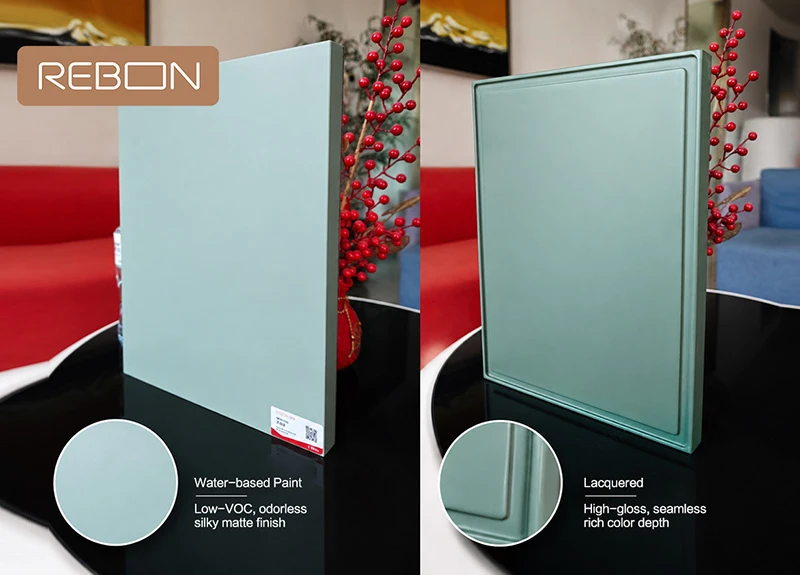
In recent years, water-based lacquer has become one of the most talked-about finishes in kitchen cabinetry. Walk into any showroom or browse any design forum, and you'll see the term everywhere. Yet many clients still ask the same questions: What exactly is water-based lacquer? Is it really different from baked lacquer? And does the difference matter in daily use?
The confusion is understandable. Both finishes look polished. Both can be customized in color. But they are fundamentally different in chemistry, production process, and long-term behavior. Here is a clear, practical comparison from a cabinet maker's perspective.
What Is Water-Based Lacquer?
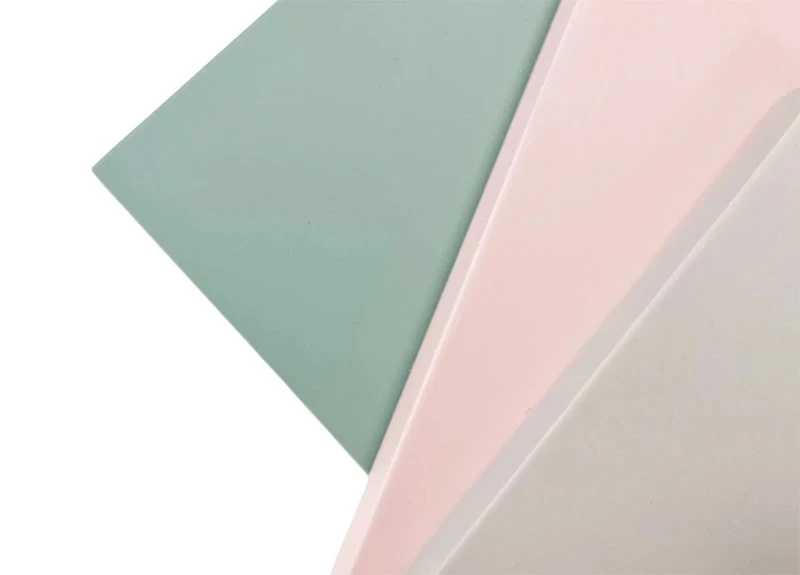
Water-based lacquer uses water as the primary carrier instead of organic solvents. This is the key distinction. Traditional solvent-based finishes rely on chemicals like benzene or xylene to dissolve the resin; water-based systems use water.
The practical implications are significant. Water-based lacquer produces far lower VOC emissions during application and drying. It has minimal odor. Modern formulations from suppliers like Sherwin-Williams and Covestro have closed much of the performance gap with solvent-based products-some now meet KCMA testing standards and achieve VOC levels below 97g/L.
For families with young children, or projects targeting environmental certification, this is often the deciding factor.
What Is Baked Lacquer?
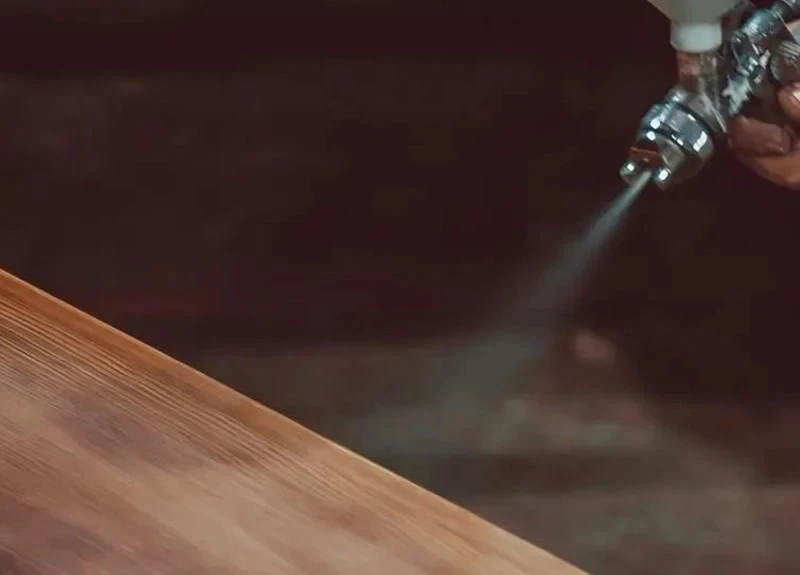
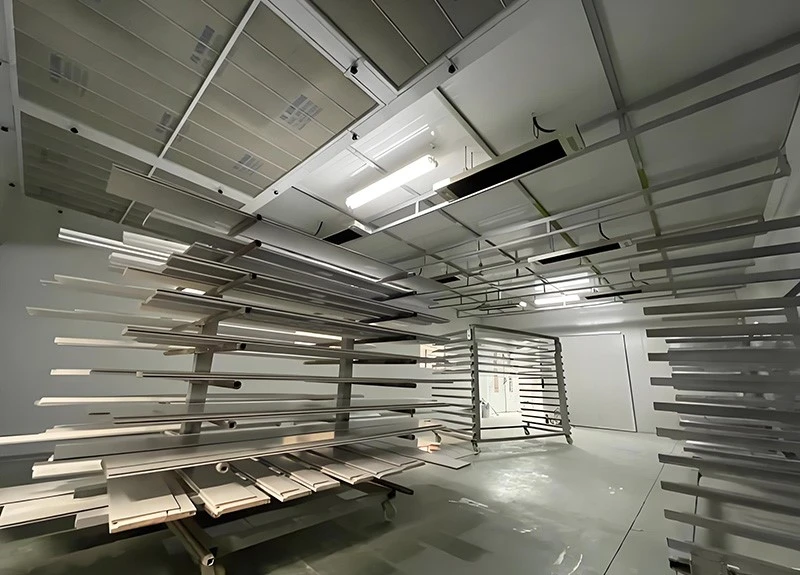
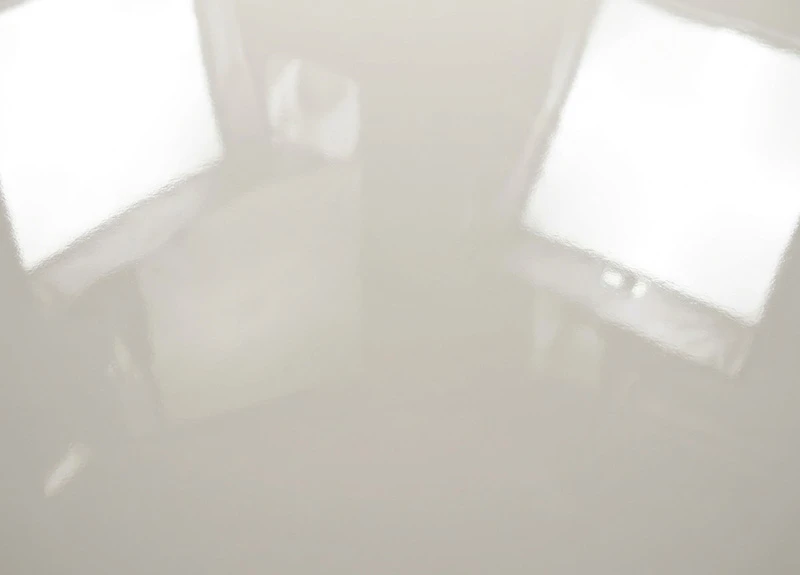
Baked lacquer-often called PU baked finish-is a solvent-based coating cured in a high-temperature oven after spraying. The heat accelerates cross-linking, producing a dense, hard film with excellent surface smoothness. It is the traditional choice for high-gloss kitchen cabinets and remains popular in markets where a mirror-like surface is prized.
The key distinction: water-based is a chemistry choice, while baked lacquer is a process choice. A factory could theoretically produce a water-based coating cured with heat, but in practice, "baked" almost always refers to solvent-based PU systems.
| Factor | Water-Based Lacquer | Baked Lacquer (PU) |
| VOC & Odor | Low; minimal smell during and after application | Higher VOC; requires ventilation and curing time |
| Surface Appearance | Matte to satin; natural grain visible | High gloss achievable; mirror-like or matte finish |
| Hardness & Scratch Resistance | Good to excellent (modern systems) | Excellent; dense film with strong surface hardness |
| Repairability | Generally easier to touch up; recoating bonds well | Difficult to repair; spot repairs often visible |
| Moisture Resistance | Good for most kitchen environments; not recommended directly under sinks without additional protection | Excellent; baked film resists moisture well |
| Color Stability | Excellent anti-yellowing properties, especially for whites | Can yellow over time, particularly white and light colors |
| Production Speed | Fast-drying modern systems reduce curing time | Requires oven curing; longer production cycle |
| Best For | Family homes, eco-conscious projects, matte/natural looks | High-gloss statement kitchens, humid climates, traditional premium market |
What Most Buyers Get Wrong
A common misconception is that a "baked-on" finish-often referred to as "oven-cured" or "factory-baked" paint-is inherently superior. In reality, if the formulation is poor, such finishes are just as prone to peeling or cracking. The ultimate quality of a coating depends on the entire application process, not merely on the label it carries.
A second misunderstanding involves overlooking the issue of "repairability." While baked-on finishes are hard, they are not immune to peeling-something that is often inevitable over time-and repairs to such surfaces tend to remain clearly visible. In contrast, water-based coatings allow for localized touch-ups that blend in much more naturally. If your kitchen is a busy family space-home to children, pets, or the occasional dropped pot or pan-then "repairability" is far more important than the mirror-like sheen the finish might have had when first installed.
We offer both finishes, but we are honest about where each belongs.
For most residential kitchens, we recommend water-based lacquer in a matte or satin sheen. It delivers the environmental benefits that modern homeowners expect, it resists yellowing far better than solvent-based alternatives, and it is more forgiving in daily use. Our Sherwin-Williams water-based systems are GREENGUARD Gold certified and meet KCMA performance standards.
For projects that specifically require a high-gloss, mirror-like surface-particularly in markets where this aesthetic is standard-baked lacquer remains the right tool. We specify it where it belongs, with clear communication about its limitations and maintenance requirements.
The finish you choose will be with you for a decade or more. Choose it based on how you live, not just how it looks under showroom lighting.