


Bathroom Cabinet Drawers: What To Look For
Nov 24, 2026
Leave a message

When choosing a bathroom vanity, most people focus on the countertop, basin, and cabinet door color-and overlook the drawers. That is, until they start sticking, swelling from moisture, or growing mold. By then, the importance of drawer quality becomes impossible to ignore.
Bathroom vanity drawers face far harsher conditions than kitchen drawers. Constant humidity, splashing water, steam from showers, and frequent temperature swings create an environment where a drawer that performs perfectly in a bedroom closet may fail in a bathroom in less than a year. Understanding why this happens-and what to look for when buying-can save you the unnecessary cost of replacement down the road.
Why Bathroom Drawers Fail
Bathroom drawer failures typically come down to three causes:
1. Moisture Intrusion
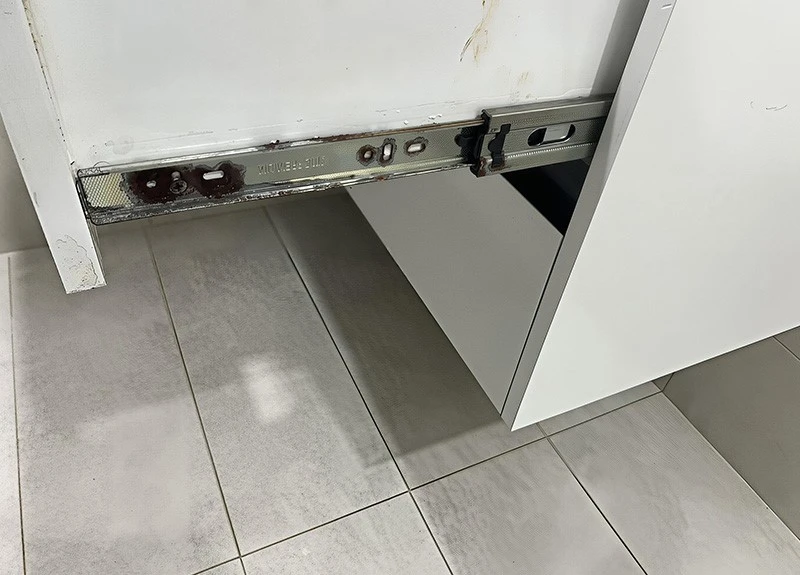
Bathroom air is humid. Water splashes on the countertop run down the drawer front, and steam condenses on surfaces. If moisture penetrates the drawer's panels-especially the bottom and back-particleboard or MDF will swell. Once swollen, the panel cannot return to its original shape. The result: the drawer bottom rubs against the cabinet, the slides misalign, and the drawer becomes difficult to open.
2. Low-Quality Hardware
Drawer slides in bathrooms are constantly exposed to moisture. Cheap steel slides corrode easily; coated or galvanized slides are more durable. Soft-close mechanisms with sealed bearings also resist moisture far better than open structures.
3. Poor Edge and Joint Sealing
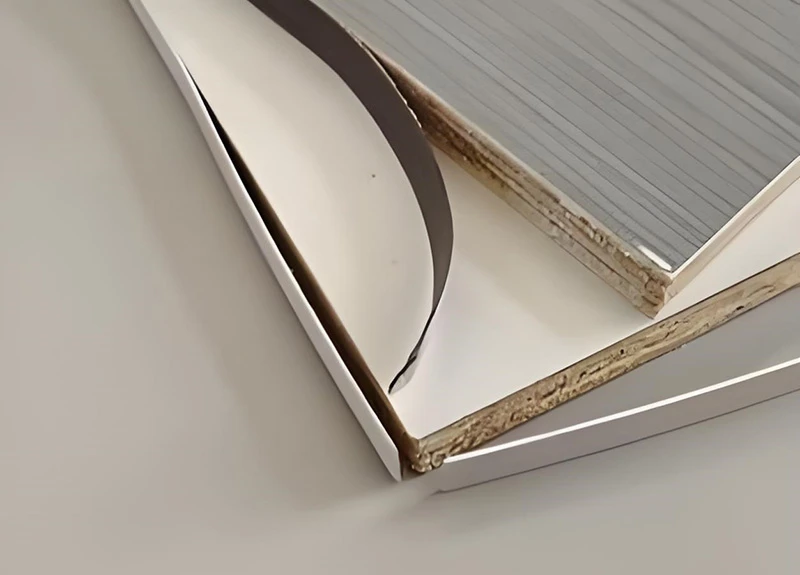
The weakest points of a drawer are often its edges. If edge banding is poorly applied or too thin, moisture can seep into the panel. That's why edge quality matters more in a bathroom than in a dry space.
What to Look for When Choosing Bathroom Drawers
- Drawer Box Material: Plywood Over Particleboard
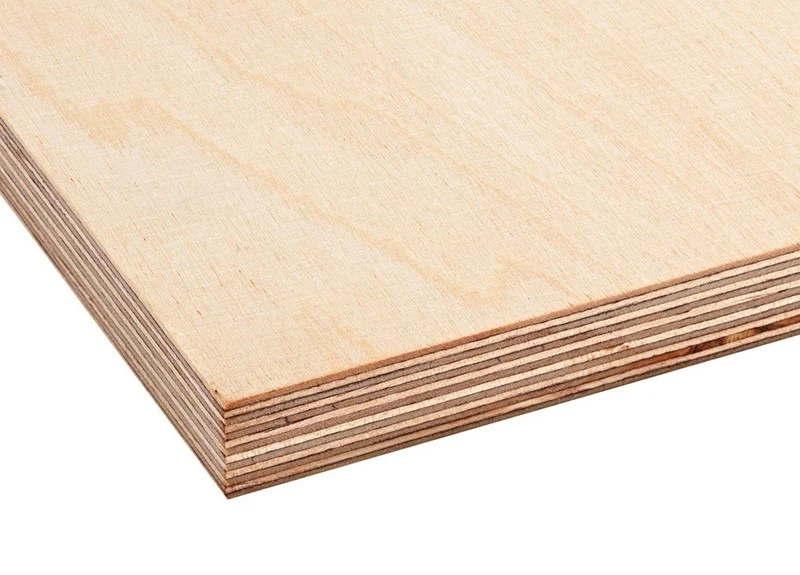
The drawer box-including sides, bottom, and back-should be made of plywood, preferably moisture-resistant (MR-grade) plywood. Plywood's cross-laminated construction gives it far greater resistance to swelling than particleboard or MDF. Plywood also holds screws better, which is critical because drawer slides and handles are under constant load during daily use.
- Drawer Bottom Thickness and Support
Thin 9 mm or 12 mm bottoms can bow and deform when loaded with bottles, towels, and other items. Choose a plywood bottom at least 16 mm thick, properly seated in a groove. A sturdy bottom not only prevents sagging but also reduces the load on the slides.
- Edge Banding Quality
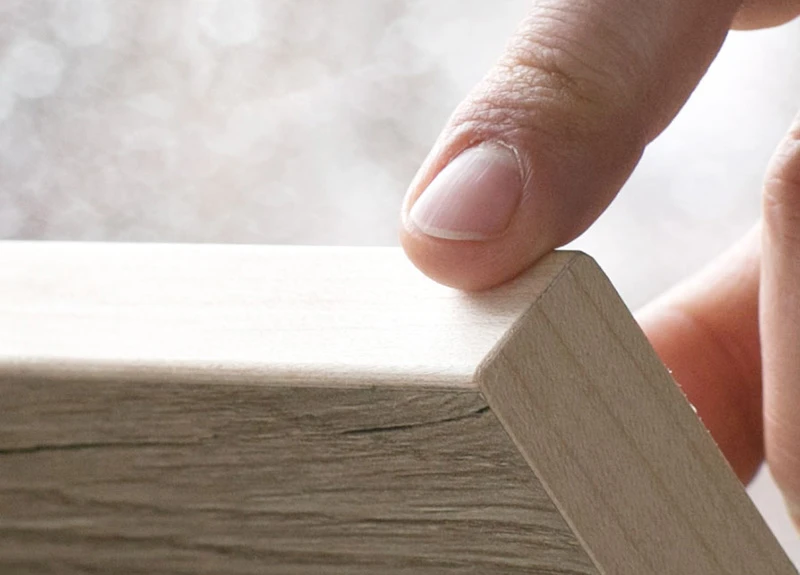
Check how the drawer box edges are banded. PVC edge banding applied with PUR (polyurethane hot-melt) glue is the standard for moisture resistance. In dry environments, EVA glue edge banding is acceptable, but in humid bathrooms, EVA can soften. All drawer edges-including the bottom edges-should be edge-banded.
- Drawer Slides: Full-Extension, Soft-Close, and Corrosion-Resistant
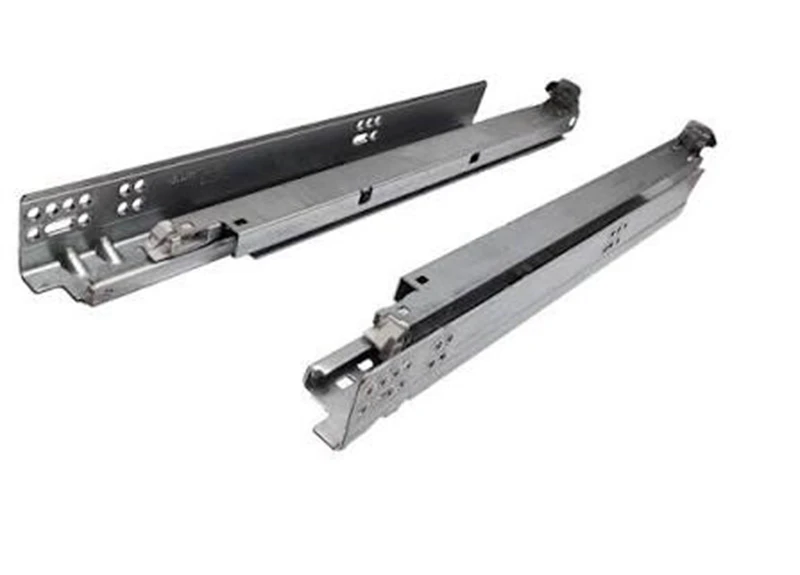
Bathroom drawers should have full-extension slides so you can easily reach everything inside. Soft-close prevents drawers from slamming and reduces wear. Choose slides with anti-corrosion coatings or stainless steel components. Hidden (undermount) slides are even better because they avoid direct exposure to splashing water.
- Interior Organization and Drainage Design
Bathroom drawers are often used for toiletries, towels, and sometimes damp items. Look for drawers with removable dividers or lift-out shallow trays for easy cleaning. Avoid fixed dividers-they trap moisture and are difficult to keep dry.
Bathroom Drawer Layout Design Tips
Keep daily items at waist height. Toothpaste, skincare products, and frequently used medications should be stored in drawers at a comfortable, easy-to-reach height-not near the floor.
Use shallow drawers for small items. Drawers with a depth of 100–150 mm, combined with dividers, keep small bottles organized and visible at a glance.
Reserve deep drawers for towels and bulky items. Deep drawers used for small items let things sink to the bottom and become hard to find-wasting space efficiency.
Plan for ventilation. If the bathroom has no window, ensure there is air circulation space behind the drawers, or choose a wall-mounted vanity that lifts the cabinet off the floor to improve airflow.
REBON's Craftsmanship Standards
At REBON, every bathroom vanity drawer is built with moisture-resistant (MR-grade) plywood, precision edge banding, and corrosion-resistant soft-close slides as standard. We never use particleboard in humid areas. Our designs also account for the real-world "harsh treatment" drawers face-every drawer is engineered to handle the humidity challenges of its environment with ease.
If you're planning a bathroom renovation project, we're happy to provide material samples and hardware specifications-so you can see the quality difference for yourself.